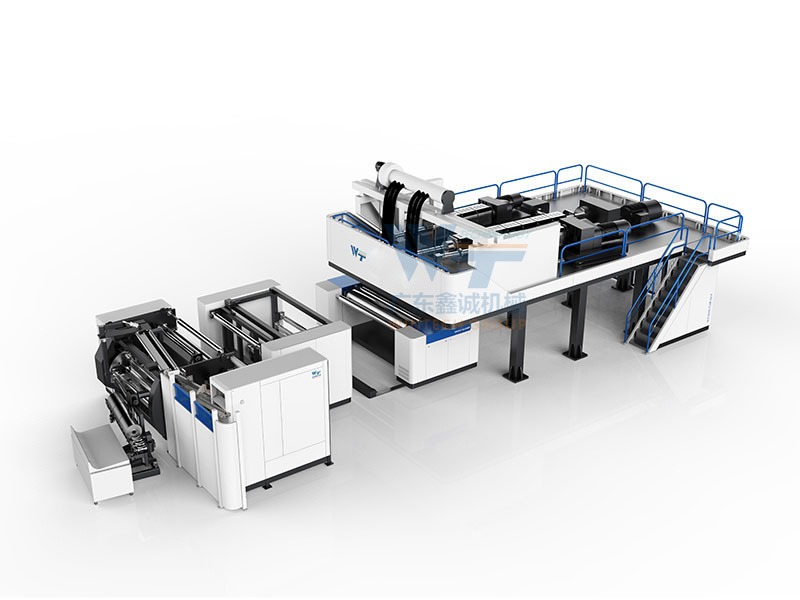
The packaging industry runs on film, and a cast film machine sits at the center of that reality. Whether you are producing stretch film for pallet wrapping, cling film for food applications, or CPP film for flexible packaging, the cast extrusion process is one of the most efficient and versatile methods available. If you are evaluating your first machine purchase or looking to upgrade your existing production line, understanding how cast extrusion works and what separates a good machine from a great one will help you invest wisely.
What a Cast Film Machine Does
A cast film machine melts polymer resin, typically polyethylene or polypropylene, and extrudes it through a flat die onto a chilled casting roll. The rapid cooling on the casting roll sets the film’s properties, including its clarity, thickness uniformity, and mechanical strength. Because the film is quenched quickly rather than blown upward like in blown film production, cast film tends to have better optical clarity and tighter thickness tolerances.
The process is also generally faster than blown film extrusion, which makes cast extrusion a better choice when high-speed, high-volume output is the priority. Industrial packaging manufacturers, in particular, value the combination of output speed and consistent film quality that a cast film machine delivers reliably across long production runs.
Key Components of a Cast Film Production Line
A complete cast film extrusion line includes several integrated systems that must work in harmony to produce quality film.
- Extruder and screw assembly melts and homogenizes the resin before it reaches the die head.
- Flat die head shapes the molten material into a uniform, wide film sheet.
- Casting and chill roll system cools the film rapidly and sets its final physical properties.
- Edge trim system removes and recycles the thicker edges of the film to ensure uniform width.
- Winding system collects the finished film onto cores at consistent tension.
Each component must meet precise engineering standards for the finished film to be competitive in quality and performance.
Available Machine Configurations
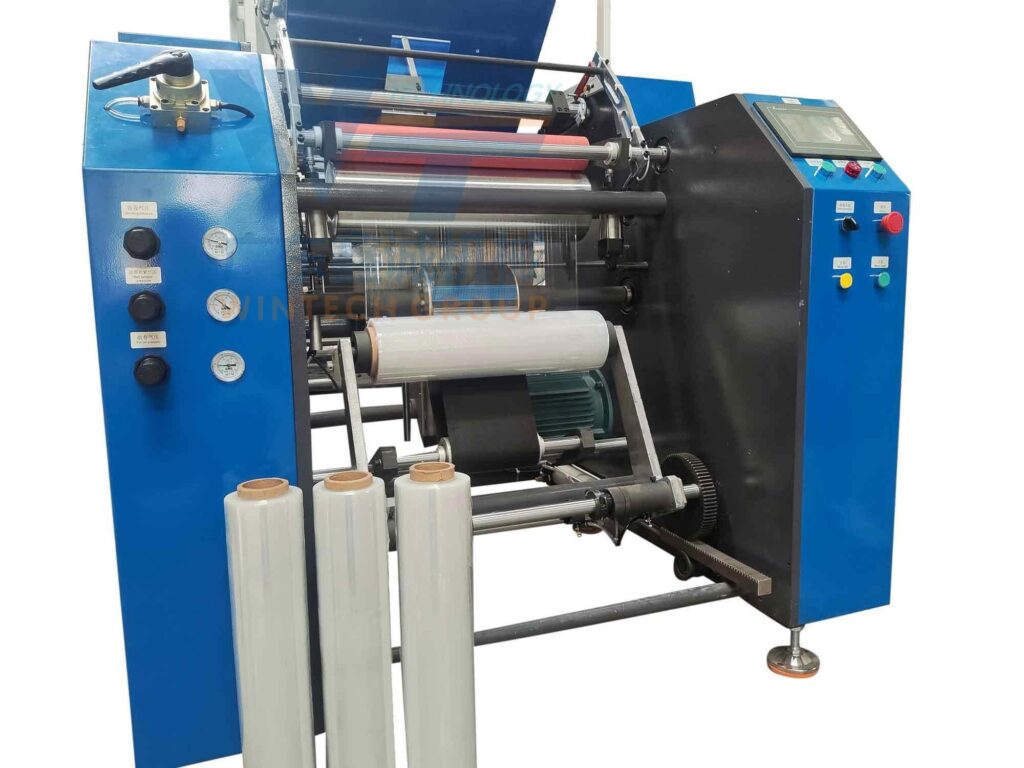
Cast film machines are available in a range of configurations suited to different production scales and film types. Entry-level configurations cover smaller output requirements, while high-capacity lines with two-layer or three-layer co-extrusion capabilities serve large-scale industrial producers.
Two and Three-Layer CPP Lines
CPP, or cast polypropylene film, is produced on multi-layer casting lines. A two-layer or three-layer CPP machine co-extrudes multiple resin streams through a single die, creating film with layers that each contribute specific properties. The outer layers might provide sealability or surface quality, while a core layer contributes stiffness or barrier performance. The WT-65/90-1850mm model, for example, is a well-regarded configuration for CPP two and three-layer automatic casting film production.
Why Output Stability Matters More Than Peak Speed
Many buyers focus on the maximum speed specification of a cast film machine. However, what matters more in practice is the stability of output over an entire production shift. A machine that peaks at high speed but suffers from frequent film breaks, thickness variations, or winding defects will deliver lower actual output than a machine with a slightly lower peak speed that runs cleanly and continuously.
Stability comes from the quality of the extruder screw design, the precision of the die head internal geometry, and the temperature control capability of the casting roll system. These are the factors that determine how long you can run without intervention, which directly translates to your actual tons-per-day output.
Conclusion
A cast film machine is a foundational investment for any PE or CPP film producer. Choosing wisely means looking beyond the headline speed specification and evaluating the engineering quality of every major component. Stability, consistency, and output per shift are the metrics that truly determine profitability over the life of the machine.