A cosmetic tattoo artist should have accredited training, refined technique, a safety first approach and healed results you can actually see. Certificates matter, but so do mapping skills, honesty and hygiene. The right professional can explain why they chose your design and isn’t afraid to say no when something isn’t right for you.
When you search for a cosmetic tattoo clinic in Adelaide or anywhere else, the options can feel endless. Every page promises natural brows and flawless lips. This guide shows you what separates a skilled artist from a confident marketer, using what ARCH Cosmetics publishes about its own team and standards.
What training and accreditation should you look for?
Does accreditation really matter?
It does. ARCH states that its training programs are led by accredited trainer Shikira Nicholls, who is also the founder and senior cosmetic tattoo artist. That matters because accreditation signals someone has been assessed against a standard, not just self taught from videos. Ask any artist you’re considering to explain their accreditation in plain language.
Why is teaching ability a good sign?
Here’s the thing: artists who train others must understand every detail of the craft. At ARCH, students only receive their certificate after presenting before and afters from their next four clients and obtaining four passes. An artist who can guide others through that assessment clearly knows technique, safety and client care at a deep level.

How should a skilled artist approach your design?
What does proper brow mapping involve?
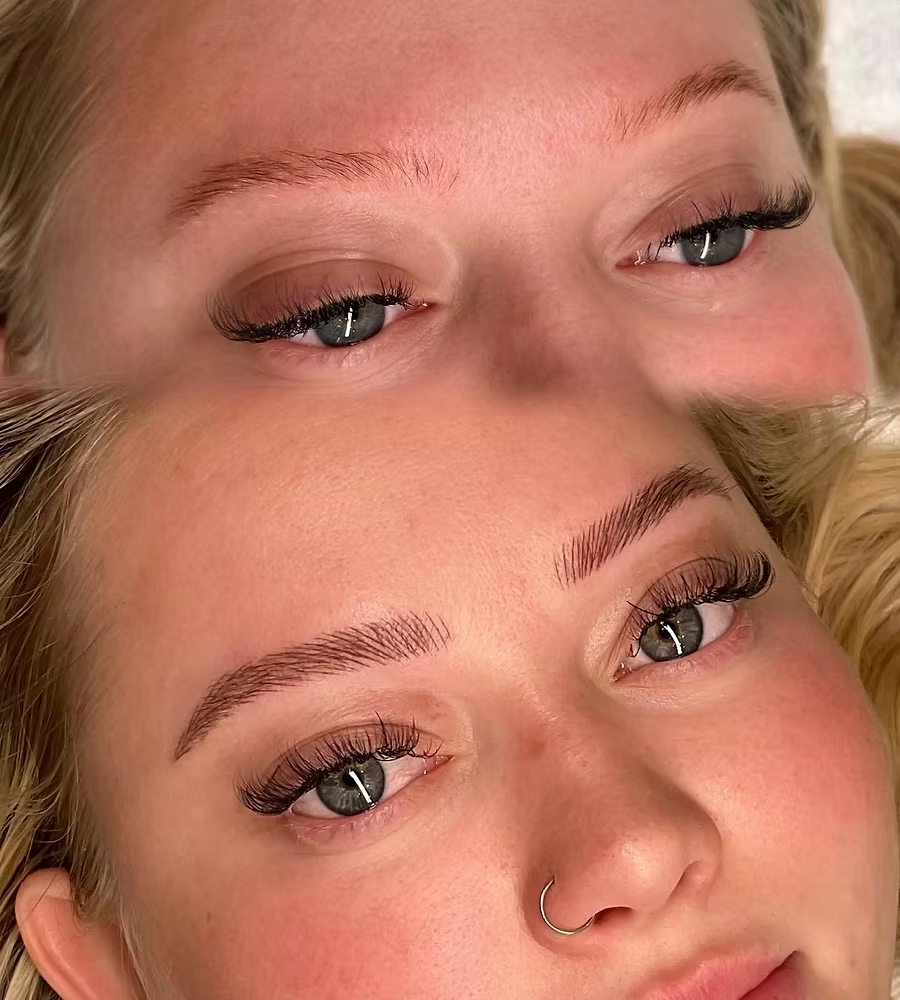
Good design starts before the needle. ARCH says its brow mapping carefully assesses bone structure, facial symmetry, muscle movement and natural features, rather than using the same stencil on everyone. For nano brows, the team dedicates roughly 20 to 30 minutes to design and predraw before any tattooing starts. That time investment tells you a lot.
Should the artist choose a technique for your skin?
Absolutely. ARCH points out that the best brow technique depends on your skin, your existing brow hair and the result you want. Oily or textured skin may suit ombré powder, while sparse brows might need extra density. An artist who offers only one style to every client isn’t designing for you. They’re selling a template.
Which technical skills should they have?
Range matters, because different faces need different methods. ARCH offers nano hybrid brows, nano brows, a combination of nano hairs and ombré powder, powder brows, lip services, eyeliner and laser tattoo removal. Having several techniques means the artist can recommend what suits you rather than what they happen to know. Let me explain why that’s important.
When an artist masters both hair strokes and shading, they can blend them. The combination brow, for example, uses soft hair strokes at the front and powder through the body and tail. It takes judgement to know where one technique should end and the other begin, and that judgement comes from practice and training.
What safety and hygiene standards should you expect?
What does a safe appointment look like?
Safety should feel obvious from your first contact. ARCH says its focus runs from the initial consultation through to healed results, with precision, professionalism and safety throughout. Its course kit includes hygiene equipment, and only the patient is allowed in the treatment area unless the practitioner clears otherwise. Those details suggest a studio that takes controlled environments seriously.
What about written policies and aftercare?
Look for clear policies. ARCH publishes its terms, states that services are provided with due care and skill under the Australian Consumer Law, and emails pre and post care instructions to every client. Transparent paperwork might feel boring, yet it’s a quiet sign of professionalism. If an artist can’t show you their policies, that’s a flag.
Will the artist be honest with you?
Honesty might be the most underrated qualification. ARCH shared a client who arrived unhappy with an old eyebrow tattoo. Rather than simply covering it, the team recommended laser tattoo removal first, creating a clean canvas for new brows. Sometimes the best recommendation costs the artist an easy booking, and that integrity is worth more than a discount.
That’s also why ARCH requires existing tattoo work to be assessed through emailed photos before booking. When it comes to cosmetic tattooing, permanence changes everything. A responsible artist checks what’s already in your skin and speaks frankly about what’s possible, even if the answer isn’t what you hoped to hear.
What should you ask before booking?
Bring these questions to your consultation. ARCH offers a free, no pressure option, so you’ve got nothing to lose:
- Are you an accredited trainer or practitioner, and can you explain how?
- Can I see healed results, not just fresh photos?
- How will you map my brows or lips?
- Which technique suits my skin type, and why?
- What aftercare instructions will I receive?
Listen to how they answer, not only what they say. Confident artists welcome questions. Vague replies, rushed explanations or pressure to book on the spot usually mean you should keep looking. A good cosmetic tattoo clinic will make you feel informed, never hurried.
Conclusion
The right qualifications combine accredited training, careful mapping, technical range, strict hygiene and honest advice. Check how an artist designs, how they teach and how they treat clients after the appointment ends. When those pieces line up, you can book with confidence, knowing the result on your face has been planned properly from the very first conversation.