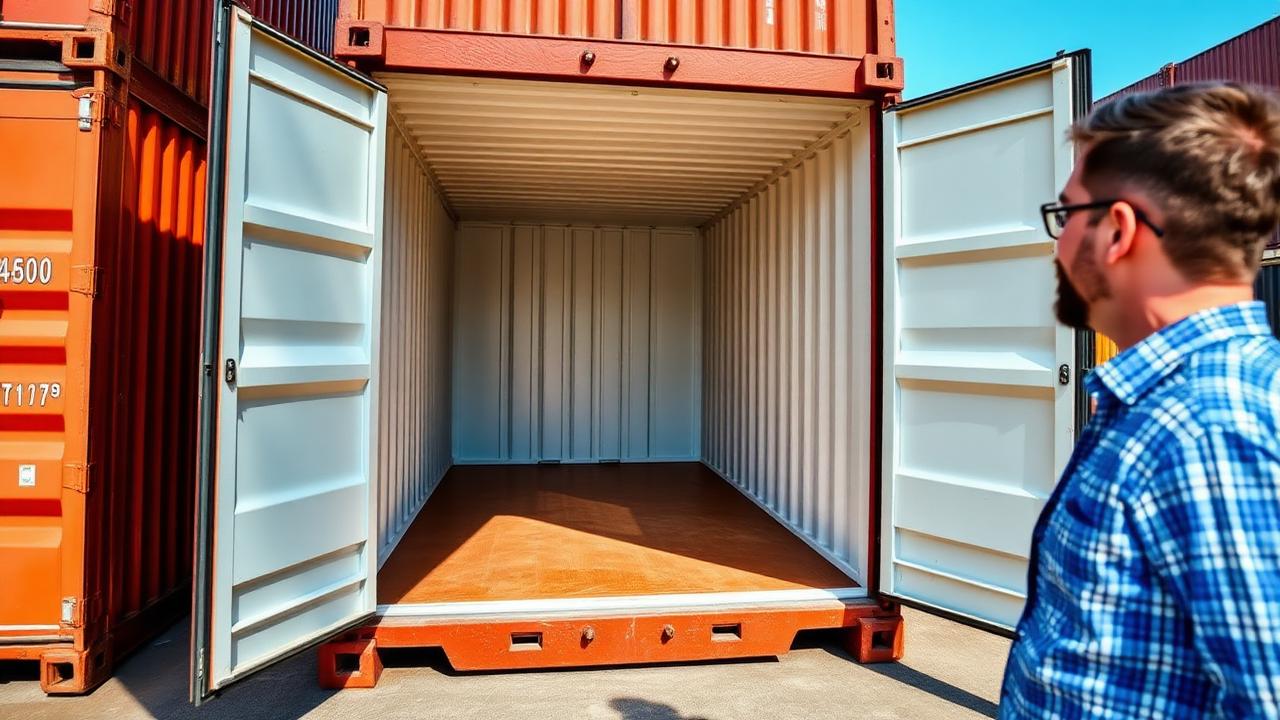
Not every project needs a 40-footer. In fact, for a wide range of uses, the 20ft high cube container hits a sweet spot that larger units simply cannot. It is compact enough to fit in tight spaces, light enough for most standard delivery trucks, and tall enough, at 9 feet 6 inches on the exterior, to create interior space that feels genuinely usable rather than just technically habitable.
For buyers exploring a shipping container home office, the 20ft high cube has become the default starting point. And for good reason.
AM Shipping Containers carries 20ft high cube containers in both new and used condition, making them accessible for buyers at different budget levels and project types. Here is a clear breakdown of what makes this size worth considering, and how to turn one into a shipping container home office that actually works.
20ft High Cube Container Specifications: What You Are Actually Getting
The exterior dimensions of a 20ft high cube container are 20 feet long, 8 feet wide, and 9 feet 6 inches tall. Interior dimensions come in at approximately 19 feet 4 inches long, 7 feet 8 inches wide, and 8 feet 10 inches high.
That interior height is the detail that matters most. Standard 20-foot containers offer just 7 feet 10 inches of interior clearance. The high cube version adds a full foot on top of that. When you are converting a container into a home office, that extra foot makes the difference between a space that feels like a workshop and one that feels like a real room.
The floor area sits at roughly 150 to 160 square feet. That is enough for a dedicated desk setup, built-in storage, a small meeting area, or even a compact sleeping loft if you are building a studio-style living space. It is comparable in footprint to a large bedroom or a small studio apartment.
Weight capacity is another underappreciated spec. A 20ft high cube container has a maximum gross weight around 67,200 pounds, making it more than adequate for office furniture, storage racking, residential fittings, and built-in cabinetry without any structural concerns.
Why More Homeowners Are Choosing a Shipping Container Home Office
Working from home has changed what people expect from their living spaces. A spare bedroom converted to an office has its limits: shared walls, household noise, and the constant blurring of work and home life. A shipping container home office placed in the backyard solves these problems in a way that no interior renovation can fully replicate.
The psychological separation matters. When you walk out the back door, unlock your container home office, and close the door behind you, your brain registers the transition in a way it simply does not when you shuffle down the hall in slippers. Remote workers who have made this shift consistently report better focus, cleaner work boundaries, and real improvement in how they structure their day.
Practically speaking, a shipping container home office is also a smarter long-term investment than a garden shed conversion or a prefabricated backyard studio. The steel structure will outlast timber-framed alternatives by decades. It can be insulated to the same standard as a conventional building. It can carry full electrical capacity for multiple screens, a printer, a coffee machine, and climate control without any compromise.
And unlike an extension built onto the house, a container home office sits separately on the property, which in many jurisdictions means it falls under different, often lighter, planning and permit requirements.
How to Convert a 20ft High Cube Container Into a Home Office That Is Actually Comfortable
The difference between a container home office that people love and one that collects regret comes down to a few specific decisions made during the conversion.
Insulation is the most important call you will make. Steel conducts temperature aggressively. Without proper insulation, a container office is unbearably hot in summer and freezing in winter. Closed-cell spray foam applied directly to the interior walls is the standard of choice for serious conversions. It prevents condensation, adds structural rigidity, and delivers high thermal resistance without the thickness that fiberglass batts require.
Natural light transforms the feel of the space. A 20ft container without windows feels exactly like what it is: a metal box. Adding two or three well-placed windows, ideally one on the long wall and one on the end opposite the door, brings in daylight and makes the interior feel twice as large. Skylights are another option that works particularly well with the high cube height.
Electrical planning should come before interior finishing. Decide where every outlet, light switch, and data port will go before the walls are lined. Retrofitting electrical into a finished container is possible but irritating. Running conduit through the structure before the interior panels go up is straightforward.
Climate control should be sized correctly. A 9,000 to 12,000 BTU mini-split system is typically sufficient for a 20ft container home office in most climates. These units handle both heating and cooling and are far more efficient than portable air conditioners or electric panel heaters.
Flooring finishes the space. Marine-grade vinyl plank flooring is popular because it handles moisture, feels warm underfoot compared to bare steel, and installs directly over the existing container floor. Engineered timber is another option for buyers who want a more residential feel.
Buying a 20ft High Cube Container from AM Shipping Containers
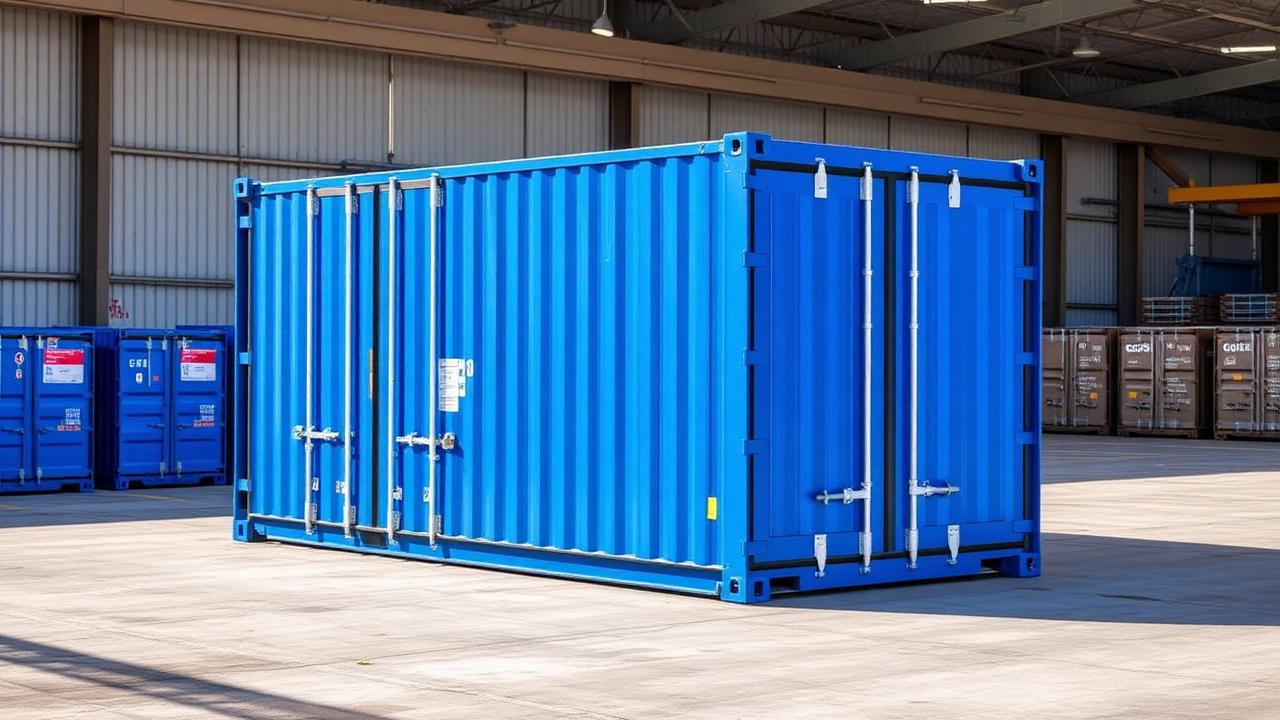
AM Shipping Containers offers 20ft high cube containers in new one-trip condition and in used grades. For a shipping container home office conversion, one-trip is the recommended starting point. The container arrives in near-perfect condition, with clean floors, tight door seals, and no hidden repairs needed before work begins.
Used wind-and-watertight 20ft high cube containers are a solid option for buyers planning straightforward storage or utility use where cosmetic condition matters less. The structural integrity is verified, the price is lower, and delivery is handled directly.
Getting the right container starts with being clear about your project. If you tell the team at AM Shipping Containers what you are building, they will match you to the right unit and grade rather than simply selling you the first available option.
What a Shipping Container Home Office Costs Compared to Other Solutions
A garden studio from a specialist builder typically costs between $20,000 and $50,000 depending on size and finish. A home extension costs considerably more. A converted 20ft high cube container home office, fitted out to a good standard with insulation, electrical, a mini-split, windows, and quality flooring, generally comes in well below the garden studio price point for comparable usable area.
You also own the structure outright, it can be relocated if you move house, and the Corten steel shell requires virtually no ongoing maintenance compared to timber-framed alternatives.
Frequently Asked Questions
What is the difference between a standard 20ft container and a 20ft high cube container?
The high cube version is one foot taller on both the exterior and interior. Interior ceiling height goes from 7 feet 10 inches in a standard unit to 8 feet 10 inches in the high cube. For any habitable conversion, the high cube is almost always the better choice.
Do I need planning permission for a shipping container home office?
This varies by location. In many areas, a backyard container office under a certain size qualifies as a permitted development or temporary structure. Always check with your local planning authority before proceeding.
How long does a container home office conversion take?
A basic conversion with insulation, electrical, windows, and flooring typically takes two to four weeks. A more detailed fit-out with custom cabinetry, HVAC, and interior lining can take six to eight weeks depending on the contractor.